Tamice
High-performance travel platform for a leading Korean agency — Next.js frontend, Laravel backend, Node.js microservices
Tamice.com · Korean Travel Agency
tamice.comOverview
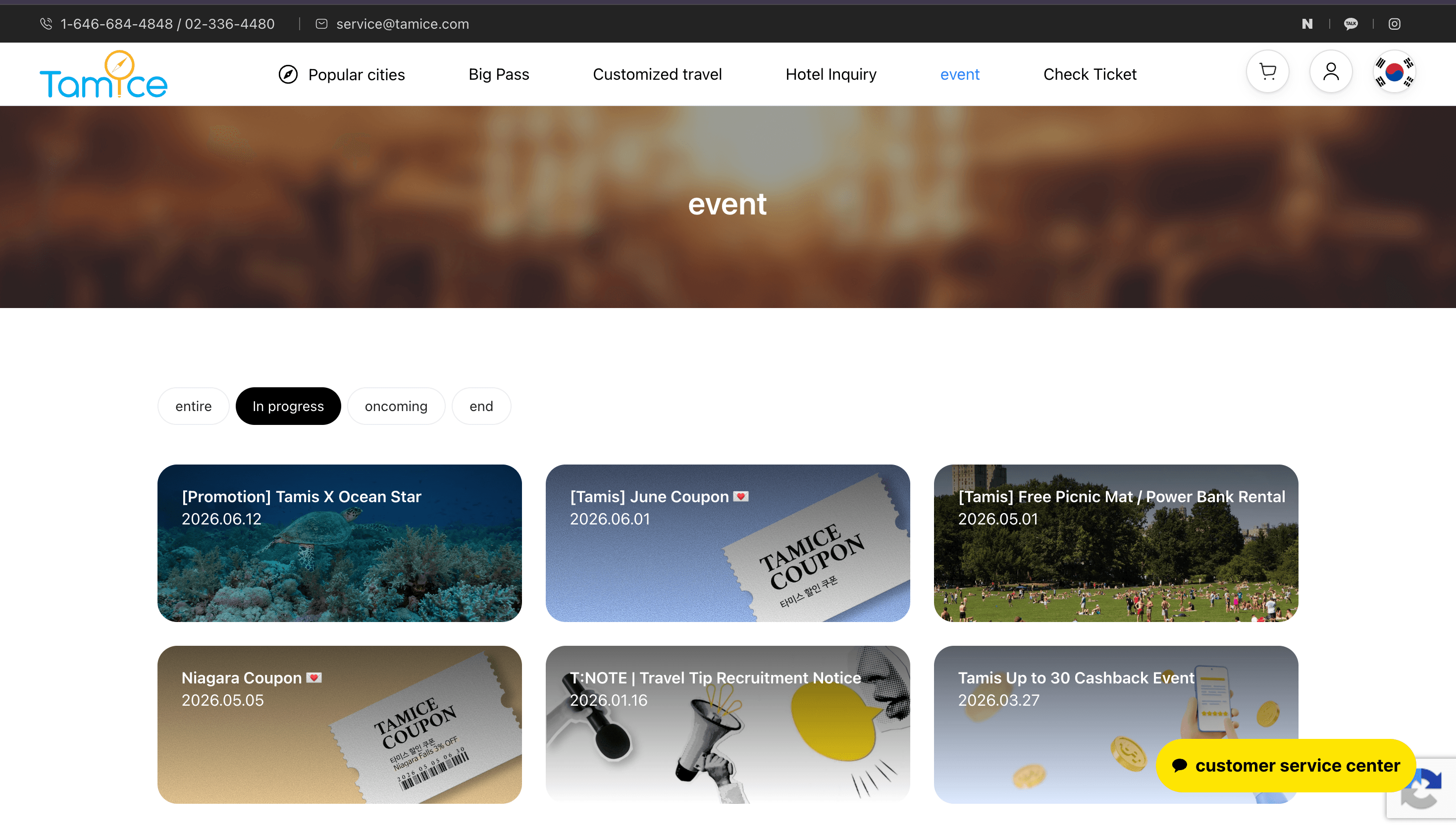
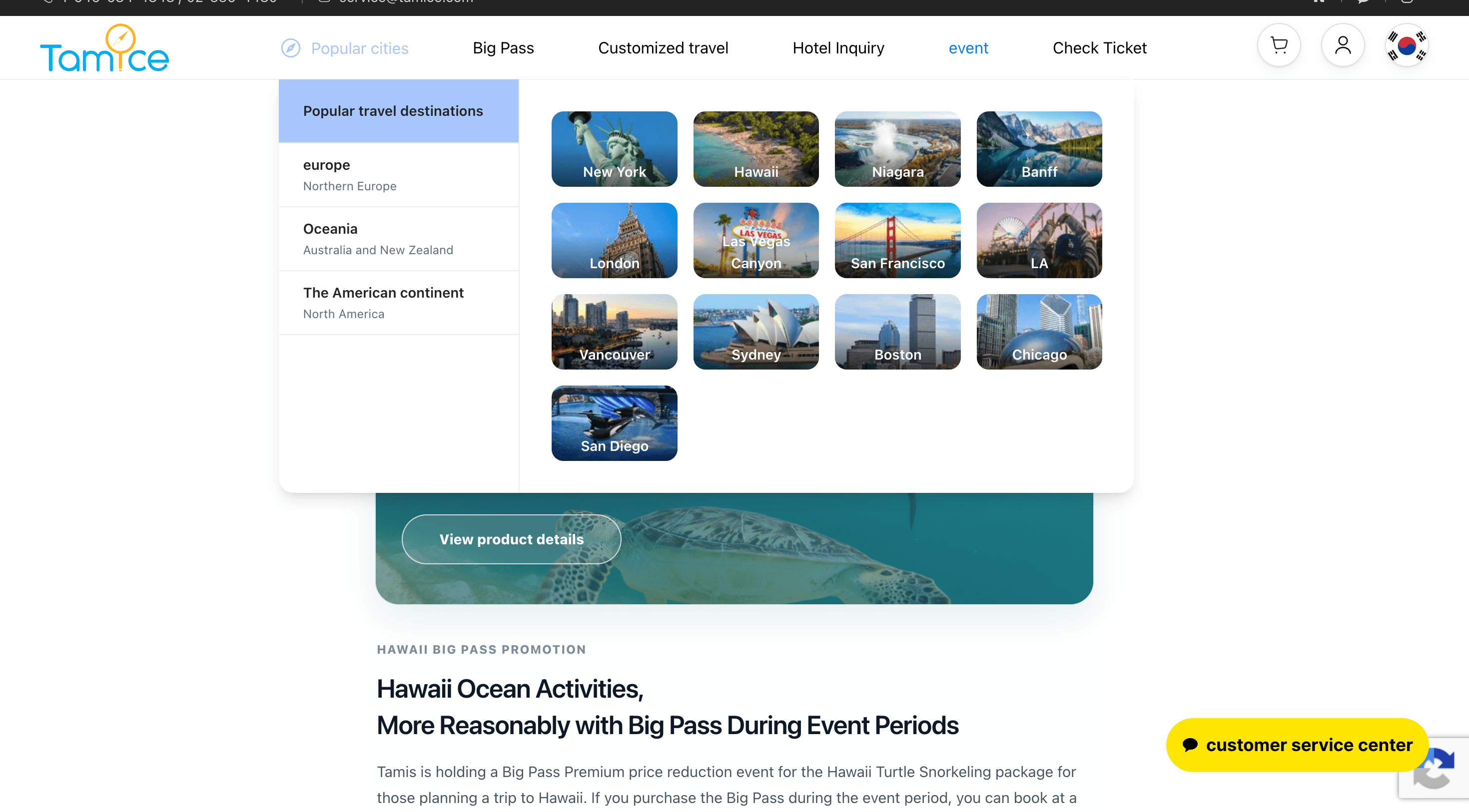
Tamice.com is a leading Korean travel agency that needed a technical platform to match its ambitions — fast, reliable, and capable of handling real travel booking complexity. This was my first large-scale full-stack project, and I worked on it as part of a team, contributing across the frontend and backend. The platform was built on a deliberate multi-layer architecture: Next.js for a blazing-fast public-facing frontend, Laravel for the core business logic and admin dashboard, and Node.js microservices for the data-intensive operations in between.
3
Integrated tech layers
Full
Stack — frontend, backend & microservices
#1
Leading Korean travel agency
Live
Production at tamice.com


The Challenge
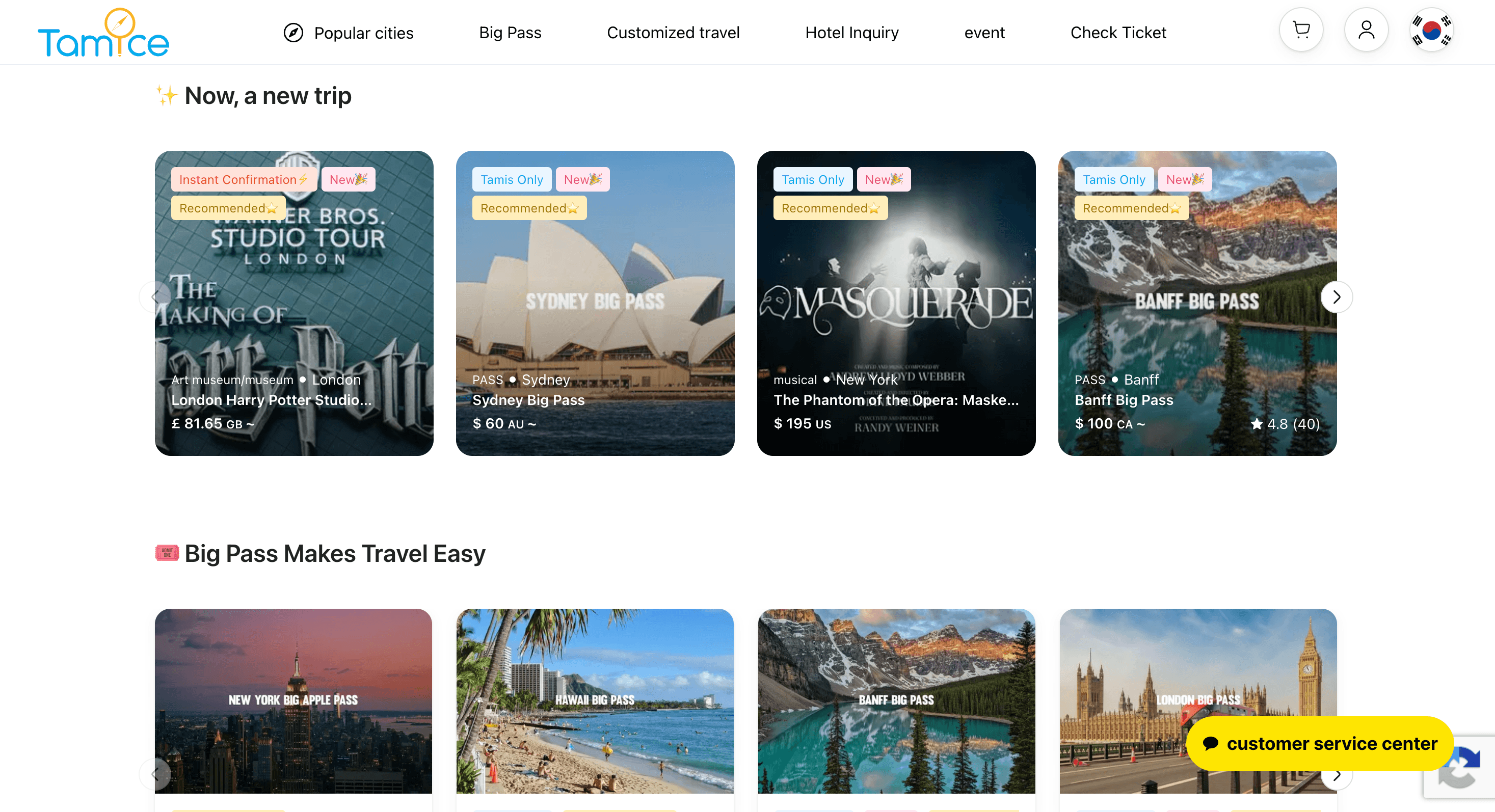
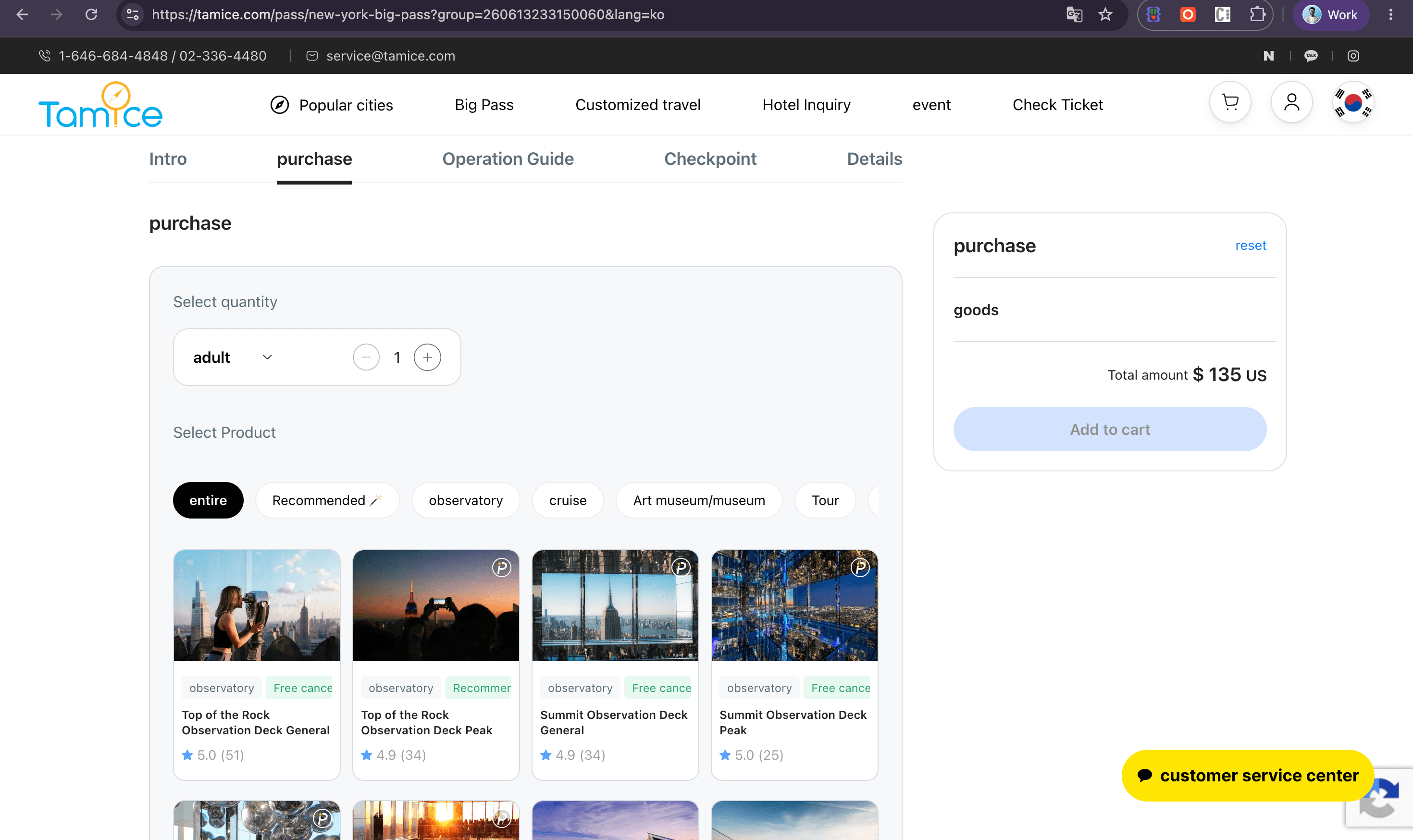
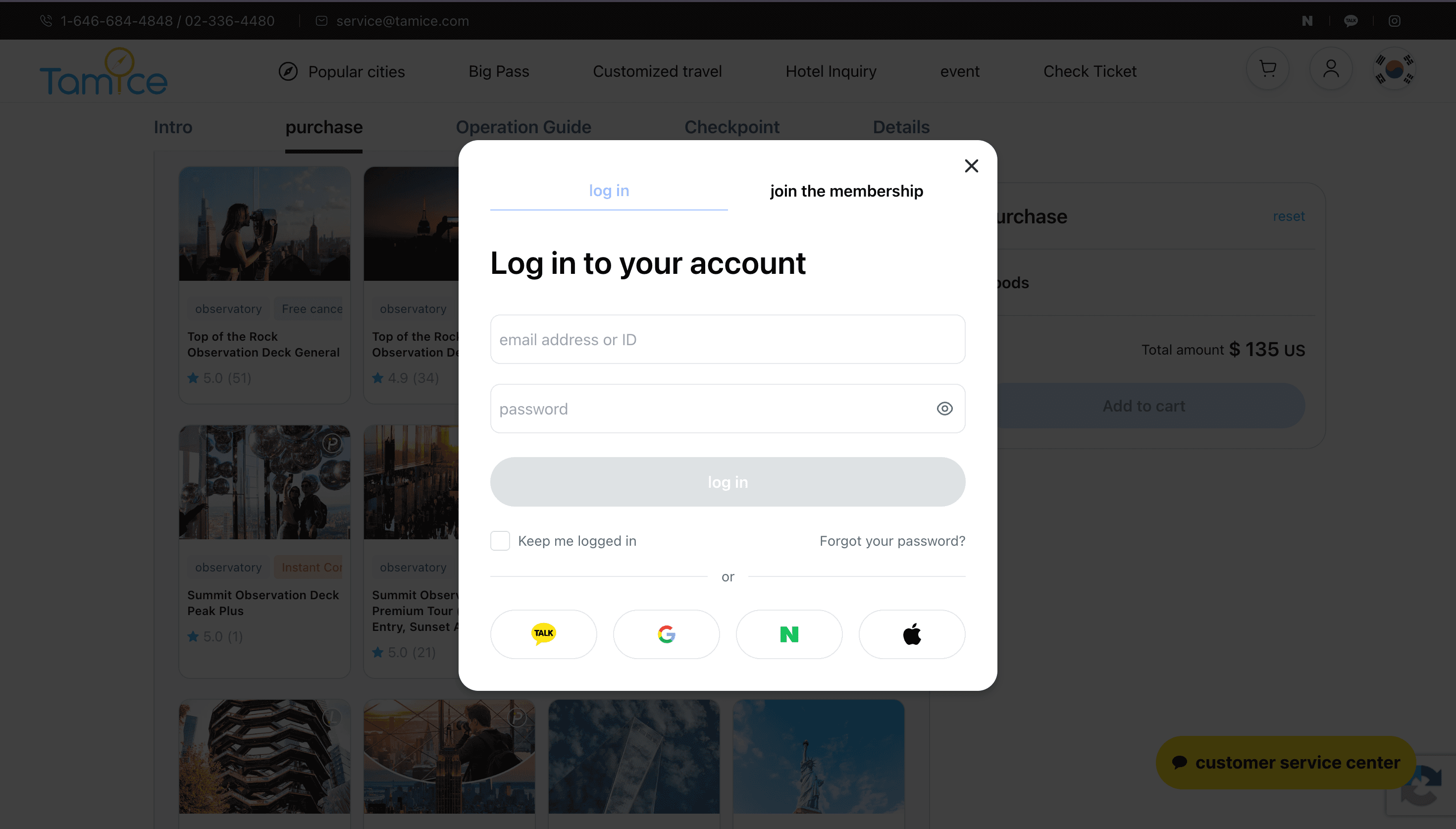
Travel platforms are deceptively complex. On the surface they look like content sites, but underneath they need to handle real-time availability, booking flows, user accounts, admin control panels for managing tours and packages, and a backend that can handle concurrent users without degrading. Building this for a Korean market agency added another layer — content, routing, and SEO all needed to work correctly for Korean audiences. The architectural challenge was choosing the right tool for each layer: a PHP/Laravel monolith excels at admin dashboards and relational data; Next.js gives you server-side rendering and performance out of the box; but connecting them cleanly through Node.js microservices without creating a maintenance nightmare required careful planning.
The Solution
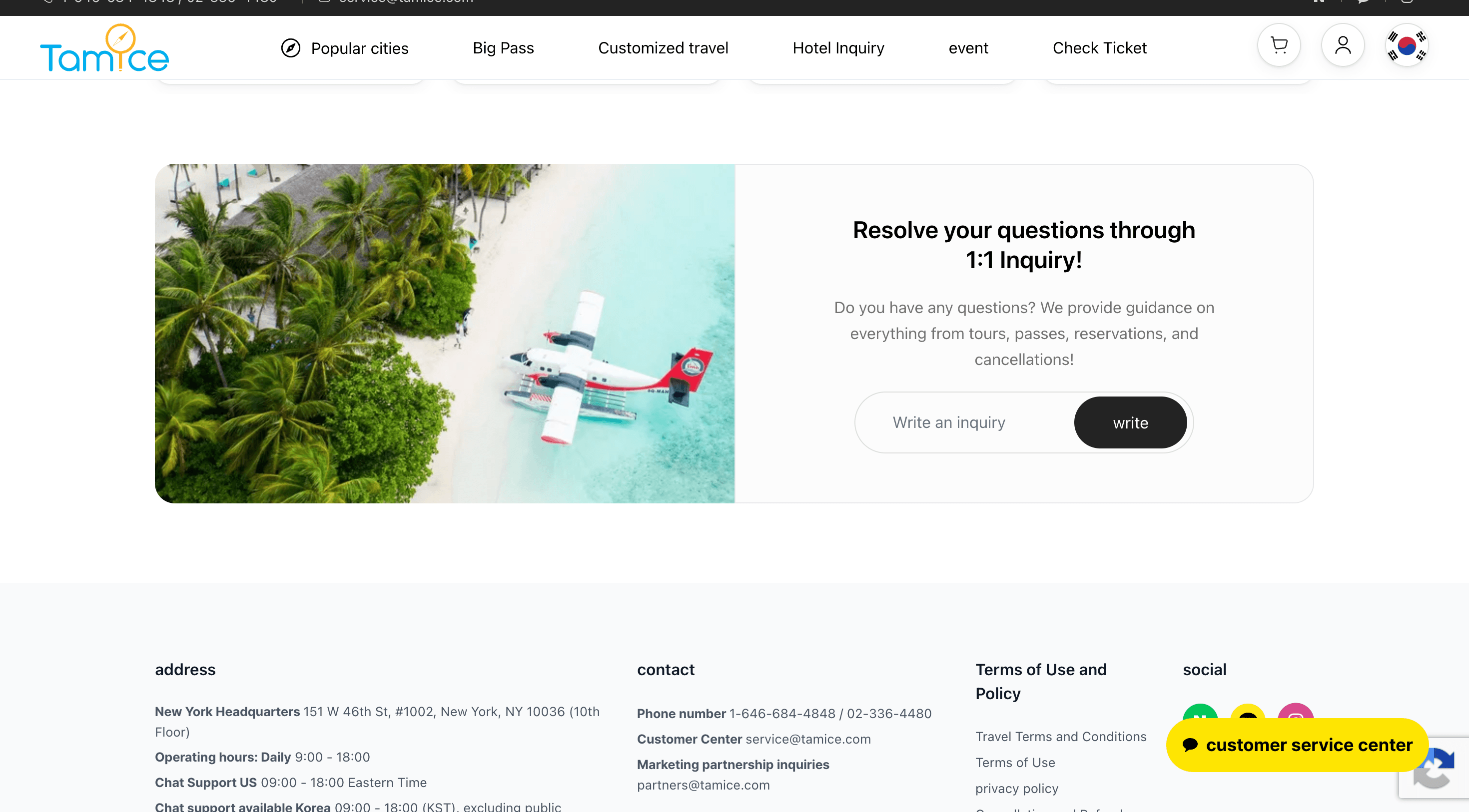
We split the system into three distinct layers that each owned their responsibility clearly. The Next.js and React frontend handled everything the user sees — tour listings, destination pages, booking flows — with server-side rendering for fast initial load and SEO. Laravel owned the admin dashboard and core backend: tour and package management, booking records, user accounts, and all the business logic that powered the agency's operations. Node.js microservices handled the data bridge between layers — processing availability queries, transforming data between the frontend's needs and Laravel's models, and keeping the two primary systems decoupled.
Tech Stack
Have a similar project in mind?
Whether you're starting from scratch or scaling an existing product, I'd love to hear what you're building.